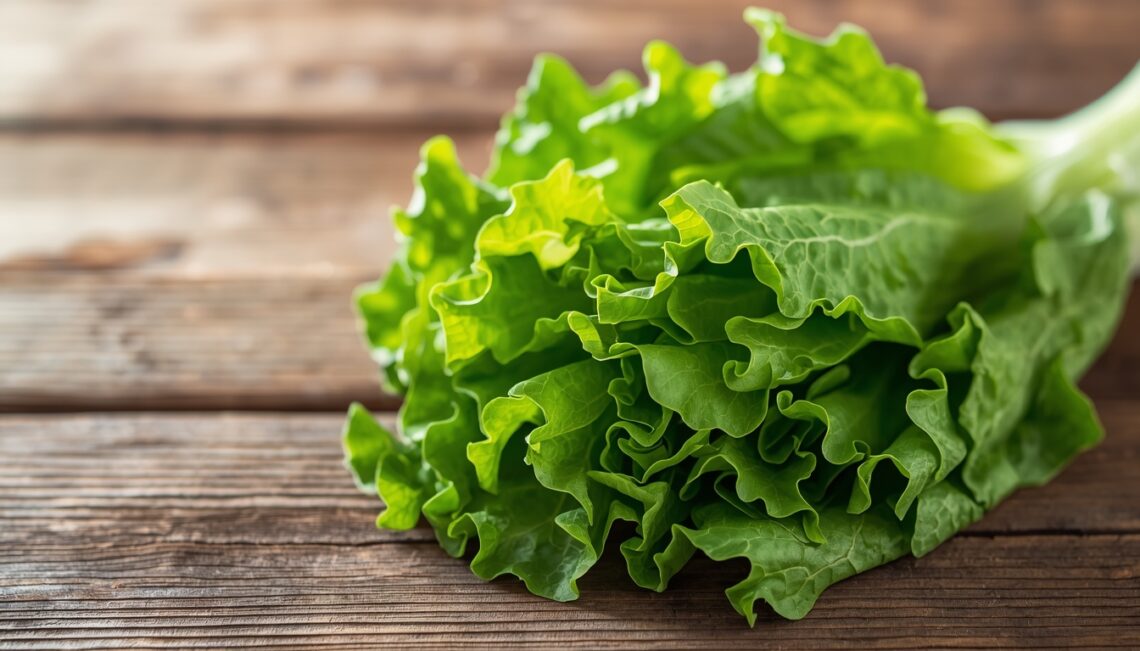
Lettuce Vegetable Health Benefits Think of lettuce and what comes to mind? Maybe a boring side in your salad or a crunchy wrap for tacos. But hold on—lettuce packs way more punch than that. This leafy green isn’t just filler; it’s a hidden gem for your body, especially when it comes to keeping you hydrated and your digestion running smooth.
With high water levels and gentle fibers, it supports everything from your gut to your skin. We’ll dive into seven key lettuce vegetable health benefits that make it a must-add to your meals. From crisp iceberg to tender butterhead, different types offer slight twists, but they all deliver core perks for hydration and digestion. Ready to see why this simple veggie deserves star status?
Section 1: Unlocking Superior Hydration Through Lettuce Intake
Lettuce stands out as a top choice for staying hydrated without chugging water all day. Its juicy leaves help you meet fluid needs naturally, boosting energy and focus. Plus, this hydration ties right into better digestion by keeping things moving in your gut.
Water Content Dominance Across Varieties
Most lettuces are over 95% water, making them hydration heroes. Take iceberg—it’s about 96% water, perfect for quick sips through your fork. Romaine clocks in at 94%, while butterhead hits 96% too. Compare that to cucumbers at 95% or even watermelon at 92%; lettuce edges them out for easy daily intake. Aim for two cups a day to cover 20% of your fluid goals, especially in dry months like January.
Electrolyte Balance Support
Lettuce brings small amounts of potassium and magnesium to the table. These minerals help balance electrolytes, so your muscles work right and you don’t cramp up during workouts. Potassium in romaine, for example, aids fluid retention without bloating. A single head can give you 10% of your daily needs, keeping hydration steady from the inside out.
Skin Health and Toxin Flushing
That water rush from lettuce flushes out waste, leaving your skin clearer and more bouncy. Dehydrated skin looks dull, but regular lettuce munchers notice a glow. It helps kidneys push toxins away, reducing puffiness. Darker leaves add antioxidants that team up with water for even better detox effects.

Section 2: The Role of Lettuce Fiber in Digestive Health
Now, let’s shift to how lettuce keeps your belly happy. Its fibers act like a gentle broom for your gut, easing discomfort and promoting balance. Whether you’re dealing with irregularity or just want smoother days, this veggie shines.
Promoting Regular Bowel Movements (Insoluble Fiber)
Insoluble fiber in lettuce bulks up stool, making trips to the bathroom easier and more often. It doesn’t dissolve in water but soaks it up to speed things along. Romaine’s tough leaves offer plenty, cutting constipation risk by up to 30% in high-fiber eaters, per studies. You’ll feel lighter without the strain—simple as that.
Fueling the Gut Microbiome (Soluble Fiber and Prebiotics)
Soluble fiber from softer lettuces feeds good bacteria in your intestines. It turns into a gel that slows digestion, helping nutrients stick around longer. Research shows folks eating more veggie fibers like this have diverse gut bugs, linked to less bloating and better moods. Add a side salad daily to nurture those helpful microbes.
Soothing the Digestive Tract Lining
Darker lettuces, such as red leaf or romaine, carry compounds that fight inflammation. These calm an upset gut lining after spicy meals or stress. Their mild nature avoids irritation, unlike rougher foods. Over time, this leads to fewer flare-ups and a happier digestive system.
Section 3: Lettuce as a Nutrient Powerhouse for Gut Function
Beyond water and fiber, lettuce loads up on vitamins that keep your gut strong. These nutrients repair and protect, turning a simple green into a digestive ally. You get big wins without extra calories.
Vitamin K: Crucial for Gut Barrier Integrity
Vitamin K in lettuce goes beyond helping blood clot—it strengthens your gut wall. This barrier stops bad stuff from leaking through, supporting immune health inside. One cup of romaine delivers over 100% of your daily K, key for folks with leaky gut issues. It pairs with fiber to keep everything sealed tight.

Folate (B9) and Cell Regeneration
Folate helps your intestinal cells renew fast, since they turn over every few days. This ensures top-notch absorption of food goodies. Leaf lettuces provide solid folate hits, about 15% per serving, aiding repair after illness or poor diet. Strong cells mean less discomfort and better energy.
Antioxidant Protection Against Digestive Stress
Antioxidants like vitamin C and beta-carotene in lettuce shield your gut from damage. Heavy meals can spike stress there, but these fighters mop it up. Romaine’s beta-carotene, for instance, converts to vitamin A for lining protection. Regular intake cuts oxidative hits, per gut health research.
Section 4: Low-Calorie Density for Weight Management and Digestive Comfort
Lettuce lets you eat big without the gut load of dense foods. Its light nature fills you up while easing digestion. Perfect for weight watchers who hate feeling stuffed.
Maximizing Satiety Through Volume
Low energy density means lots of lettuce for few calories— just 15 per cup. You can pile on plates without worry, tricking your brain into fullness. Swap fries for a giant salad; studies show this curbs overeating by 12%. Your stomach stays comfy, no bloat.
Aiding Calorie Control Without Hunger Cues
The crunch gives mechanical fill, so you eat less of rich stuff nearby. No hunger pangs hit as water and fiber expand in your belly. This combo supports steady weight and smooth digestion. Try it at lunch to sail through the afternoon.
Section 5: Specific Lettuce Varieties and Their Unique Digestive Advantages
Not all lettuces are the same—pick based on your gut’s mood. Each type tweaks hydration or fiber for targeted help. Here’s how to choose smart.

Romaine: The Fiber and Vitamin A Leader
Romaine’s sturdy ribs pack insoluble fiber for steady bowels. High vitamin A keeps mucosal layers healthy, vital for absorption. Use it in wraps or salads for a hydration-fiber double punch. It’s crisp, lasts longer in the fridge, and boosts eye health too.
Butterhead/Bibb: Gentle on Sensitive Stomachs
Softer butterhead suits tender tums with milder fiber that won’t overwhelm. Its high water eases passage without grit. Ideal for IBS folks—less gas, more calm. Wrap fish or cheese in its leaves for a light meal that hydrates deeply.
Dark Leafy Greens (e.g., Red Leaf): Highest Antioxidant Load
Red leaf lettuce’s pigments mean more antioxidants for long-term gut care. Deeper colors signal extra polyphenols that fight inflammation. It hydrates while protecting against daily wear. Toss it in for color and a microbiome boost that lasts.
Section 6: Actionable Steps: Integrating More Lettuce for Better Health
Time to put this into play. Small swaps build big habits for hydration and digestion. Start simple—you’ll notice changes quick.
The “Double Salad” Strategy
Boost intake by adding chopped romaine or red leaf to hot dishes last minute. Stir into soups, top scrambled eggs, or mix in pasta. This sneaks in extra greens without effort. Aim for two “doubles” a day to hit hydration goals effortlessly.

Optimal Preparation for Maximum Benefit
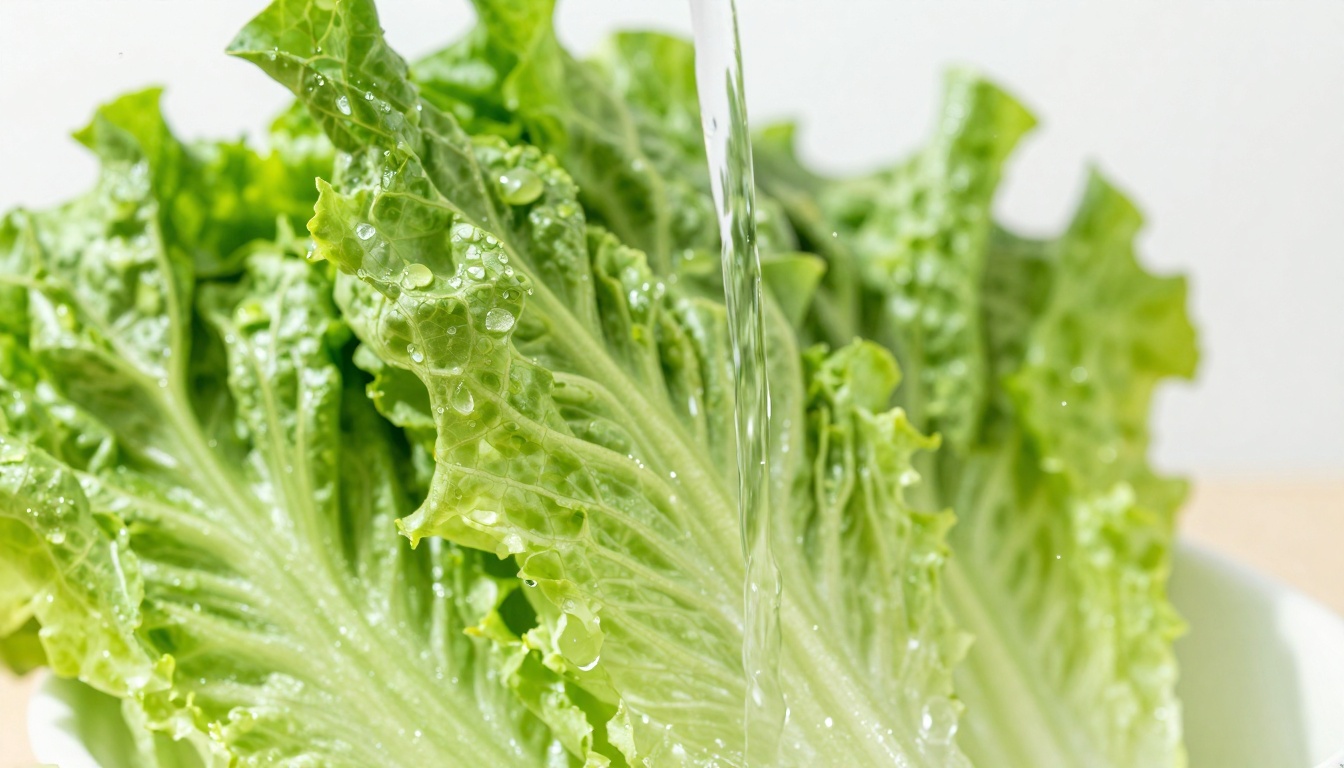
Wash leaves gently to keep nutrients intact; chopping right before eating preserves vitamins. Skip heavy creams—opt for light oil and vinegar to avoid gut upset. Store in a damp towel in the fridge for crispness up to a week. Fresh prep means peak benefits every bite.
10 Powerful Blackberries Health Benefits You Should Know
5 Reasons Cranberry Juice Is Good for Your Kidneys
15 Amazing Goat Cheese Health Benefits You Should Know
FAQ – 7 Lettuce Vegetable Health Benefits for Digestion and Hydration
Why is lettuce good for digestion?
High water and fiber content promote bowel regularity and gut health.
Can lettuce help with hydration?
Yes. Over 90% water content helps maintain hydration and skin moisture.
Is lettuce beneficial for weight loss?
Yes. Low-calorie, nutrient-rich, and filling, making it ideal for weight management.
Does lettuce support heart health?
Yes. Potassium and antioxidants help reduce blood pressure and improve cardiovascular health.
Can it improve sleep quality?
Yes. Lactucarium in lettuce may have mild sedative effects.
Does lettuce help skin glow?
Yes. Vitamins A and C protect against oxidative damage and promote healthy skin.
How should I eat lettuce for maximum benefits?
Raw salads, smoothies, or lightly steamed to preserve nutrients.
Are there any precautions?
Wash thoroughly to remove pesticides and bacteria before consumption.
Conclusion: Your Daily Dose of Green Hydration and Digestion Support
Lettuce brings seven standout health benefits: top-tier hydration from its water load, electrolyte aid for balance, skin and toxin perks, fiber for regular moves and gut fuel, soothing compounds, key vitamins like K and folate for barrier strength, plus low-cal volume for easy control. These team up—water softens fiber for smooth digestion, while nutrients protect the whole system. Don’t see it as a side; it’s a daily powerhouse. Grab a head today, chop it up, and feel the difference in your energy and comfort. Your gut will thank you—what’s your first lettuce meal this week?