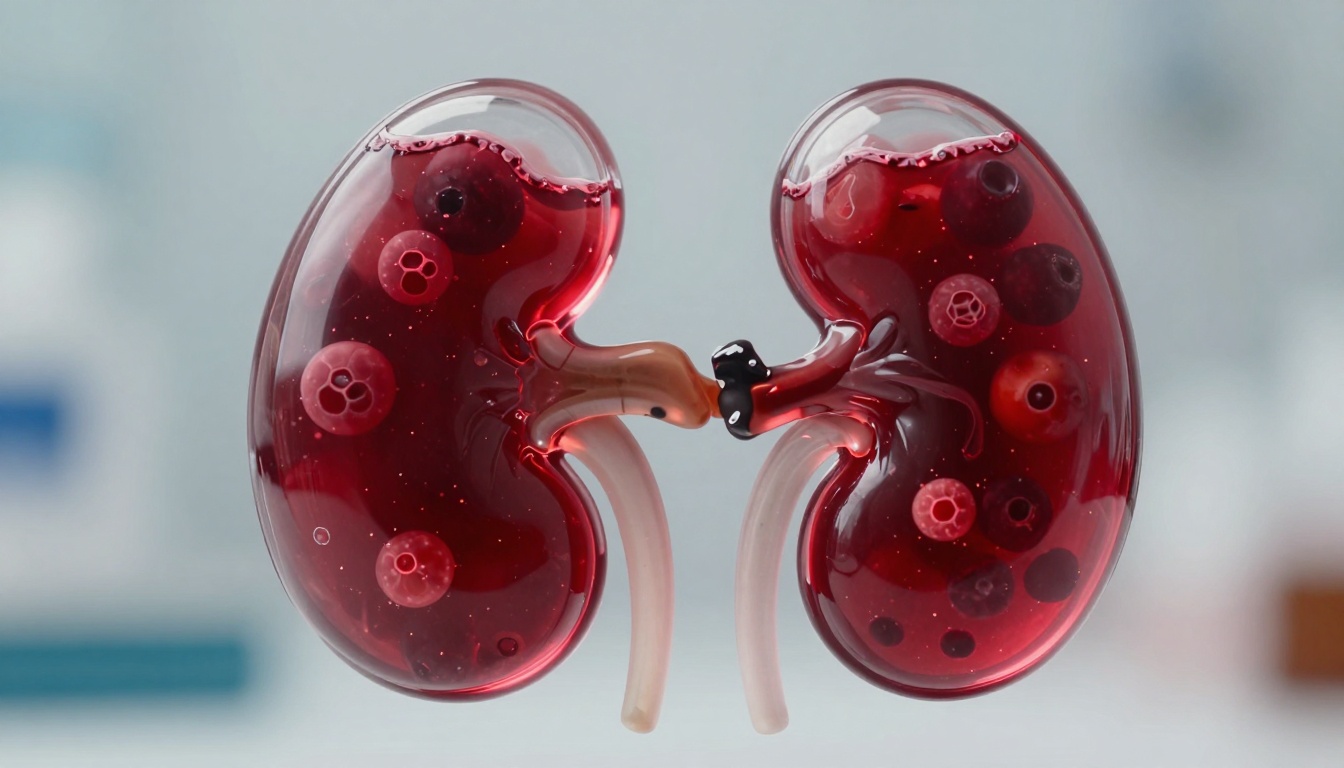
Cranberry Juice Is Good for Your Kidneys You know cranberry juice mostly for fighting urinary tract infections. But it does more. This tart drink helps your kidneys in ways you might not expect. Compounds like proanthocyanidins and antioxidants in cranberries support kidney function.
They aid filtration and cut disease risks through smart body mechanisms. In this guide, we cover 14 evidence-based reasons to add cranberry juice to your diet for better renal wellness. Let’s dive into how it fights stones, protects cells, stops infections, and helps with chronic issues.

Section 1: Combating Kidney Stone Formation
Kidney stones hurt and recur often. Cranberry juice changes that. Its acidity and key chemicals block crystal buildup in your urinary tract. This keeps stones from forming in the first place.
1. Increasing Urinary Citrate Levels
Citrate in urine binds to calcium. This stops calcium oxalate stones from growing. Those are the top type of kidney stones. Studies show cranberry juice boosts citrate levels. Drink it daily to lower your risk. Think of citrate as a shield against sharp stone edges.
2. Inhibiting Crystal Adhesion
Proanthocyanidins, or PACs, make your urinary tract lining slick. Crystals like uric acid or calcium oxalate can’t stick. They pass out harmlessly. This action saves your renal tubules from blockages. It’s like oil on a pan—nothing clings.
3. Reducing Urine Alkalinity
Cranberries add a touch of acid to urine. This tweaks the environment so stones form less easily. It’s great for certain stone types that thrive in basic conditions. Balance matters here. Too much acid isn’t good, but cranberry juice hits the sweet spot.
Section 2: The Power of Antioxidants for Renal Protection
Your kidneys face daily stress from toxins and metabolism. Oxidative damage harms cells over time. Cranberry’s antioxidants step in. They neutralize those harmful free radicals and keep kidneys strong.
4. High Levels of Polyphenols and Flavonoids
Cranberries pack quercetin and anthocyanins. These fight free radicals that attack kidney cells. Your body makes radicals during everyday tasks. Antioxidants mop them up fast. This protects the kidneys’ filtering units from wear and tear.
5. Reducing Inflammation in Renal Tissues
Cranberry compounds calm swelling in kidney areas. Inflammation hurts the glomeruli, those tiny filters. Less swelling means better blood cleaning. Research links this to fewer long-term issues. It’s like cooling a burn before it blisters.

6. Supporting Vascular Health Related to Kidney Function
Antioxidants improve blood vessel linings. Better flow means your kidneys get steady oxygen and nutrients. This boosts glomerular filtration rate, or GFR. Healthy vessels prevent slowdowns in kidney work. Small changes here add up big.
Section 3: Mitigating Infection Risks That Harm Kidneys
UTIs are bad enough. But if they climb, they hit the kidneys hard. Pyelonephritis scars renal tissue. Cranberry juice blocks that path. It keeps bacteria at bay from the start.
7. A-Type Proanthocyanidins (PACs) and Bacterial Interference
PACs stop E. coli from sticking to urinary walls. This common bug causes most infections. Without grip, it flushes out. Kidneys stay safe from upper tract spread. Pick juice with at least 36 mg of PACs per serving. Skip the sugary stuff—it weakens the effect.
8. Maintaining a Healthy Urinary pH Balance
Cranberry tweaks urine pH slightly. Bacteria hate the change. It slows their growth. This keeps your urinary system clean. A stable pH supports overall kidney flow too.
9. Post-Infection Recovery Support
Fewer bacteria mean less immune fight. Your body heals kidneys quicker after any bug. Inflammation drops fast. Kidneys bounce back without lasting harm. It’s a recovery boost you need.

Section 4: Potential Benefits for Chronic Kidney Disease (CKD) Management
CKD sneaks up on many. It worsens with high blood pressure or diabetes. Cranberry juice tackles those links. But talk to your doctor first. If you have advanced CKD, get advice before changes.
10. Blood Pressure Regulation (A Key Modifiable Risk Factor)
Cranberry parts may ease blood pressure a bit. Studies hint at vessel relaxation from its compounds. Lower pressure slows CKD advance. Kidneys filter better under calm conditions. One trial saw a drop after weeks of daily intake.
11. Glycemic Control and Diabetes Link
Diabetes wrecks kidneys most. Cranberry might help insulin work better. It steadies blood sugar swings. This cuts stress on renal filters. Emerging data shows modest gains in glucose handling.
12. Reducing Proteinuria Markers (Emerging Research)
Protein in urine signals kidney leaks. Some studies test if cranberries lower that. Antioxidants may seal tiny gaps in filters. Less protein loss means slower damage. Watch for more proof soon.
Section 5: Practical Guidelines for Optimal Consumption
You want benefits without downsides. Sugar overload cancels gains. Follow these tips for smart sipping.
13. Choosing the Right Juice: Unsweetened vs. Concentrates
Go for 100% pure cranberry juice. Cocktails add high fructose corn syrup. That harms kidneys more. Dilute concentrate with water—start with 1 part juice to 3 parts water. It tastes better and cuts calories.
14. Recommended Daily Intake Amounts
Aim for 8 to 16 ounces a day. Studies back this for stone prevention and UTI fights. Don’t overdo it—too much acid upsets stomachs. Moderation keeps it safe and effective.

Cranberry Supplements Versus Juice
Pills give exact PAC doses. But juice hydrates you too. Water intake aids kidneys anyway. Mix both if you like. Juice feels more natural daily.
15 Amazing Goat Cheese Health Benefits You Should Know
18 Health Benefits of Colocasia You Should Know
15 Surprising Health Benefits of Turnips for Your Body
20 Powerful Shrimp Health Benefits You Need to Know
FAQ – Cranberry Juice Is Good for Your Kidneys
1. How does cranberry juice benefit the kidneys?
Cranberry juice contains antioxidants that help reduce inflammation and support overall kidney function.
2. Can cranberry juice prevent urinary tract infections (UTIs)?
Yes. Cranberries contain compounds that prevent bacteria from sticking to the urinary tract, lowering UTI risk, which indirectly protects the kidneys.
3. Is cranberry juice safe for kids?
Yes, in moderation. Opt for unsweetened cranberry juice to avoid added sugars that can harm overall health.
4. How much cranberry juice should I drink daily for kidney health?
About 8–12 ounces (240–350 ml) per day is generally safe for most people, but check with a doctor if you have kidney issues.
5. Can cranberry juice help with kidney stones?
Cranberries may help prevent certain types of stones by making urine less favorable for crystal formation.
6. Are there any side effects of drinking cranberry juice?
Excessive intake may cause stomach upset or increase the risk of kidney stones in susceptible individuals due to oxalate content.
7. Does cranberry juice interact with medications?
Yes, it can interact with blood thinners like warfarin, so consult your doctor if you’re on medication.
8. Can cranberry juice improve kidney function in chronic kidney disease?
It may support kidney health but is not a cure. Always follow medical advice for chronic conditions.
9. Is fresh cranberry juice better than store-bought?
Fresh or 100% unsweetened cranberry juice is best. Avoid sugary versions, which can negate health benefits.
10. Can cranberry juice be used as a long-term kidney health booster?
Yes, in moderation and as part of a balanced diet, cranberry juice can help support kidney health over time.
Conclusion
Cranberry juice shines in kidney care. It prevents stones with citrate and PACs. Antioxidants shield cells from damage. It blocks infections that scar tissues. For CKD, it may ease blood pressure and sugar issues. These 14 reasons show its power as a simple add-on. It’s no magic fix. Use it with a full healthy diet. Chat with your doctor before starting, especially with kidney problems. Your kidneys will thank you for the tart support.