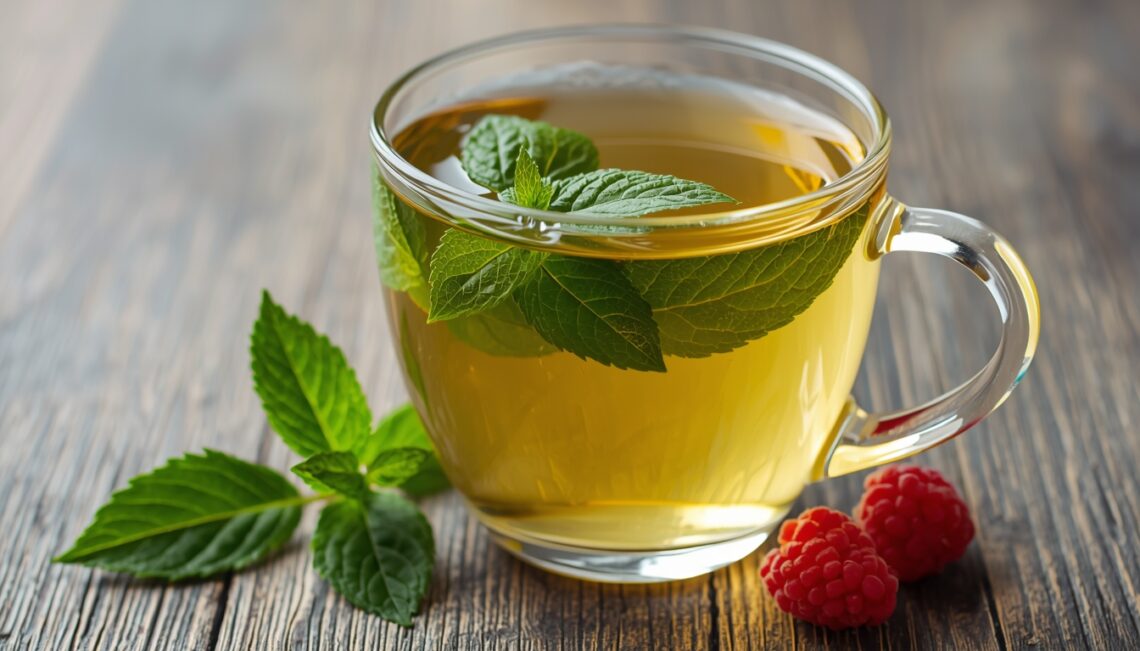
Benefits of Raspberry Leaf Tea Traditional remedies often hide gems that modern science starts to uncover. Raspberry leaf tea stands out as one such treasure, used for centuries by women around the world. This simple herbal brew from the red raspberry plant might just be the gentle support your body craves.
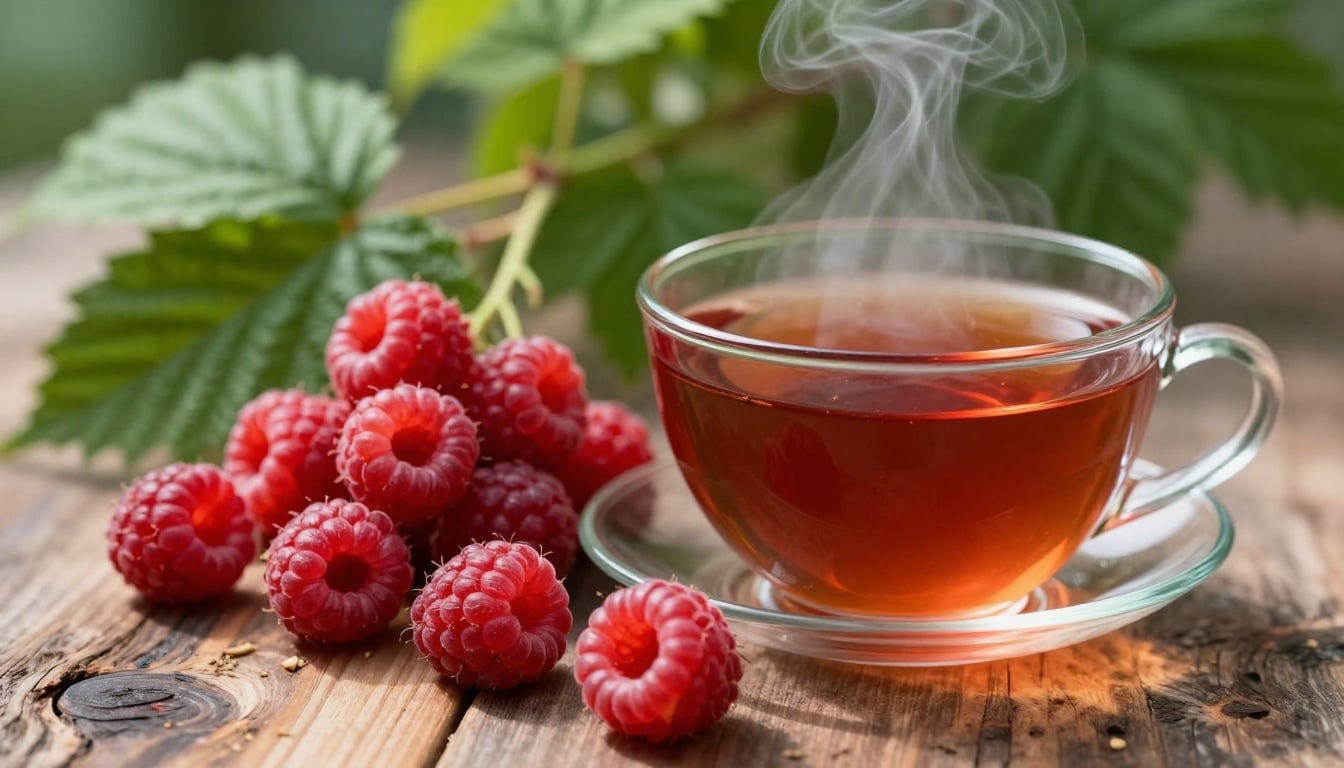
The red raspberry plant, known scientifically as Rubus idaeus, grows wild in many places. Its leaves, not the fruit, pack the real punch for health. Folks have turned to it as a “woman’s herb” to ease cycles, aid births, and more. Today, we see why it earns that name.
In this piece, you’ll discover five key benefits of raspberry leaf tea backed by tradition and some studies. From pregnancy help to daily wellness, this tea offers real perks. Let’s dive in and see how it can fit your life.
Benefit 1: Revolutionizing Pregnancy and Labor Support
Pregnancy brings big changes, and many moms seek natural ways to feel stronger. Raspberry leaf tea shines here, often searched for its role in birth prep. It supports the body without harsh side effects.
Preparing the Uterus for Birth
RLT helps tone the uterine muscles, like a gentle workout for your core. This action may make contractions more effective during labor. Some studies note women who drink it report shorter labors, though results vary.
Picture your uterus as a muscle that needs flexibility. The tea’s compounds relax and strengthen it at the same time. Always chat with your doctor before starting, especially in early months.
One small study from the 1990s found women using RLT had labors about 10 minutes shorter on average. That’s not huge, but every bit helps. It won’t cause early labor, but it preps the body well.
Postpartum Recovery and Reducing Bleeding
After birth, your body works hard to heal. Raspberry leaf tea aids by promoting strong contractions to deliver the placenta. This can cut down on heavy bleeding, a common worry.
The tea’s astringent qualities help tighten tissues naturally. Moms often sip it in the weeks after to boost recovery. It eases fatigue too, thanks to its nutrients.
Talk to your midwife about adding it post-delivery. Many find it soothes and speeds healing without meds. It’s like a cozy hug for your recovering body.

Myth Busting: Safety During Pregnancy
A big question: Is raspberry leaf tea safe in pregnancy? Yes, but start after the first trimester. Early on, it might stir things up, so hold off.
Experts say one to three cups a day from week 32 works best. No links to birth defects show up in reviews. Still, your health team knows your full story.
Don’t buy into old tales of it starting labor too soon. Science says it’s safe when used right. Feel empowered to try it with guidance.
Benefit 2: Easing Menstrual Discomfort and PMS Symptoms
Cramps and mood swings hit hard each month. Raspberry leaf tea steps in as a soft remedy for these woes. Its calm effects make periods less of a battle.
Natural Cramp Relief
The tea’s antispasmodic traits ease uterine spasms that cause pain. Unlike pills that mask symptoms, RLT works from within. It relaxes muscles without drowsiness.
Think of it as a warm blanket on a tense day. Women report less ache after regular sips. Pair it with rest for even better results.
Studies hint at fewer severe cramps with herbal teas like this. It’s a simple swap from NSAIDs, which can upset stomachs. Your cycle deserves this kindness.
Balancing Hormonal Fluctuations
RLT may help steady your cycle and lighten heavy flows. Anecdotes from users show more regular periods over time. It’s not a cure, but a helpful nudge.
The nutrients inside support hormone balance gently. Drink it daily during your cycle for steady effects. Or use it just before symptoms hit for quick relief.
One tip: Brew two cups a day starting mid-cycle. Track changes in a journal to see what works. Many find less bloating and flow issues fade.
Heavy bleeding affects about 10% of women. RLT’s iron content fights related tiredness. It’s a smart add to your routine.
Benefit 3: Rich Source of Essential Vitamins and Minerals
Beyond targeted aid, raspberry leaf tea boosts your overall nutrition. It’s loaded with goodies your body needs daily. Wellness fans love it for this reason.
Iron and Vitamin C Synergy
Iron in RLT fights fatigue, key for those with monthly bleeds or pregnancies. The vitamin C pairs with it to boost absorption. You get more bang from each sip.

This combo shines for anemic folks or busy moms. One cup delivers a solid iron hit without tummy trouble. It’s nature’s easy supplement.
Pair it with meals for max uptake. Studies show this duo cuts iron deficiency risks. Feel your energy rise steadily.
Antioxidant Powerhouse
Flavonoids and tannins in the leaves battle free radicals. These protect cells and ease inflammation body-wide. It’s like an internal shield.
Daily use supports skin health and fights aging signs. The tea’s mild taste makes it easy to love. Link it to less joint ache or clearer thinking.
Antioxidants link to lower chronic disease odds. RLT adds to that without effort. Sip for long-term glow.
Benefit 4: Supporting Digestive Health and Toning Tissues
RLT isn’t just for women’s issues; it aids your gut too. Its mild effects tone tissues everywhere. Broaden your view of this herb’s reach.
Gentle Astringent Properties
Tannins give a soft tightening effect, great for loose stools or diarrhea. It’s subtle, not like strong meds that grip too hard. Use it for occasional tummy woes.
Brew a strong cup and sip slowly. Many find relief in hours without cramps. It’s a go-to for travelers or stressed days.
Herbalists praise it for balancing digestion naturally. No harsh side effects, just steady help.
Mouth Rinses and Gum Health
Cool the tea and swish for sore throats or gums. The astringents soothe inflammation right away. It’s an old trick that still works.

Rinse twice daily for fresh breath and healthy tissues. Think of it as nature’s mouthwash. Historical users turned to it for oral care basics.
One example: A herbalist in the 1800s recommended it for teething kids. Today, it eases canker sores too. Simple and effective.
Benefit 5: Potential Benefits for Menopausal Transition
Hormone shifts in menopause bring hot flashes and moods. Raspberry leaf tea offers mild support here. It’s a natural ally for that life stage.
Managing Hot Flashes and Night Sweats
The tea acts as a soft phytoestrogen, easing flush intensity. Effects build over weeks of use. It’s not HRT, but a gentle helper.
Sip in the evening to calm night sweats. Women share stories of cooler sleeps. Subtle changes add up to comfort.
About 75% of menopausal women face flashes. RLT may cut their frequency for some. Try it as part of your toolkit.
Mood Stabilization
Anecdotes link RLT to less irritability in perimenopause. Its nutrients steady nerves without sedation. Feel more even-keeled.
Combine with walks for best mood lifts. Users note fewer snap moments. It’s a small step with big feels.
Brewing the Perfect Cup: Practical Application and Sourcing
Ready to try raspberry leaf tea? Getting it right unlocks full benefits. Let’s cover how to source and make it.
Choosing High-Quality Leaf
Pick loose dried leaves over bags for more potency. Look for “red raspberry leaf” pure, no fruit mix. Organic beats processed every time.
Shop at health stores or trusted online spots. Check for fresh scent and green hue. Quality matters for taste and effects.
Avoid cheap blends; they dilute power. Spend a bit more for real results.
Optimal Steeping Techniques for Maximum Benefit
Use hot water just off boil, around 200°F. Steep one tablespoon per cup for 10-15 minutes. Cover to trap goodies.
Stir and strain into your mug. This infusion pulls out minerals best. Sweeten with honey if needed.
For pregnancy, start with weaker brews and build up. Experiment to find your sweet spot.
14 Powerful Benefits of Clove Tea for Health & Digestion
18 Amazing Butterfly Pea Tea Benefits You’ll Love
FAQ – 5 Powerful Benefits of Raspberry Leaf Tea You Should Know
Why drink raspberry leaf tea?
It’s rich in vitamins and minerals like iron, calcium, and magnesium that support overall wellness.
Is raspberry leaf tea good for pregnancy?
Yes, in the third trimester it may help tone the uterus, but consult a doctor before use.
Can it improve digestion?
Yes. Tannins and antioxidants soothe the stomach and promote healthy digestion.
Does it boost immunity?
Yes. Nutrients support immune function and help fight infections.
Can raspberry leaf tea reduce menstrual cramps?
Yes. It has muscle-relaxing properties that may ease cramps naturally.
How often should I drink it?
1–2 cups per day is sufficient for general benefits.
Are there any side effects?
Mild nausea or allergic reactions are possible; discontinue if symptoms occur.
Who should avoid it?
Pregnant women in the first trimester or people with hormone-sensitive conditions should consult a doctor.
Conclusion: Integrating Raspberry Leaf Tea for Holistic Wellness
Raspberry leaf tea brings uterine toning for birth, nutrient boosts, and menstrual ease as top wins. It supports pregnancy, cycles, and more with gentle power. These benefits make it a staple for women’s health.
Embrace this ancient brew for body-wide wellness. Start slow, stay consistent, and listen to your needs. Chat with an herbalist to tailor it right. Your journey to better health starts with one cup.